Forged shafts are critical components in heavy Industrial Machinery. They transmit torque and support rotating elements in systems ranging from Wind Power gearboxes to heavy-duty drives.
A common misconception is that simply increasing shaft size or material strength guarantees reliability. In reality, performance depends on a combination of structural design, material selection, manufacturing precision, and quality control.
Key takeaway: Understanding engineering requirements and application context ensures the right shaft selection, balancing durability and reliability.
Conceptual illustration generated for reference
Classification by Shaft Structure and Load Type
1. Solid Shafts
Solid shafts provide high fatigue strength and uniform structural integrity. Typical applications include planet shafts, sun shafts, and heavy-duty drive shafts.
From an engineering perspective, straightness, coaxiality, and controlled grain flow are critical to prevent fatigue-related failures.
Core point: Solid shafts excel where fatigue resistance and structural consistency are required.
2. Hollow / Tube Shafts
Hollow shafts reduce overall weight while maintaining torsional rigidity, making them suitable for motor shafts and low-speed turbine shafts.
Wall thickness uniformity, roundness, and consistent Heat Treatment are essential to ensure stable performance.
Core point: Hollow shafts balance weight savings with reliable rotational performance.
3. Step / Shoulder Shafts
Step or shoulder shafts allow mounting of gears or bearings but introduce stress concentrations at geometric transitions.
Proper grain flow alignment and stress-relief machining are essential for fatigue resistance.
Core point: Step shafts require careful design to combine versatility with durability.
4. Splined / Keyed Shafts
Splined or keyed shafts enable precise torque transfer through mechanical interfaces, commonly used in coupling and output shaft applications.
Core point: These shafts ensure controlled torque transmission in complex drive systems.
Classification by Function and Application
- Transmission Shafts: Transfer power within gearboxes and heavy-duty drives.
- Gear Shafts: Support gears and maintain rotational accuracy.
- Motor / Generator Shafts: Deliver rotational power from motors or generators.
- Turbine Shafts: Handle high-speed torque input and output.
- Pump & Valve Shafts: Drive pumps and valves in fluid control systems.
Key takeaway: Structure-based and function-based classifications complement each other, guiding proper forged shaft selection.
 Conceptual illustration generated for reference
Key Engineering Considerations Across Shaft Types
- Size vs Strength vs Precision: Oversizing cannot compensate for poor material or geometry.
- Material & Heat Treatment: Selected for fatigue life, toughness, and stability.
- Dimensional Accuracy: Straightness and coaxiality directly affect service life.
- Inspection Challenges: UT, dimensional checks, and metallurgical analysis are essential.
Core point: Precision engineering and robust quality control are fundamental to reliable industrial forged shafts.
Advantages of Forged Shafts
- Superior fatigue strength and long-term durability
- Consistent internal structure with fewer defects
- Reliable performance under cyclic and heavy loads
- Broad applicability across energy, mining, and heavy industry
Core point: Forged shafts deliver predictable performance where reliability and safety are critical.
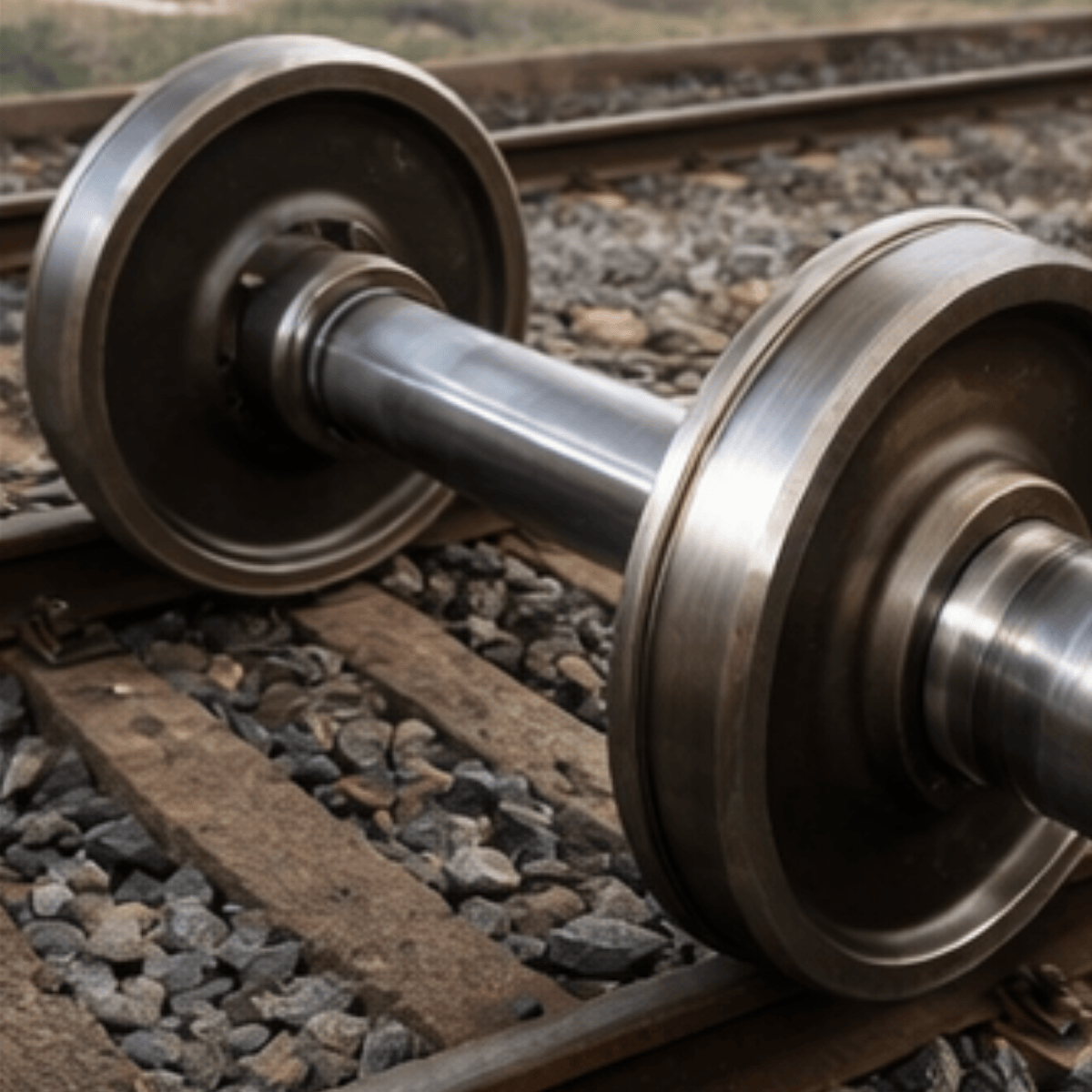 Conceptual illustration generated for reference
Conclusion
Forged shafts vary significantly by structure and function, directly influencing reliability and operational safety. Proper material selection, precise geometry, and strict inspection standards are essential.
Core point: Forged shafts are more than mechanical parts—they are essential elements of dependable industrial power transmission.
| Explore our Forged Shafts Capabilities page
If you are preparing to request a quotation for custom forged shafts or rings, refer to our detailed guide on What Information Is Required to Quote a Custom Forged Shaft or Ring to ensure a smooth and accurate inquiry.


 Conceptual illustration generated for reference
 Conceptual illustration generated for reference

